


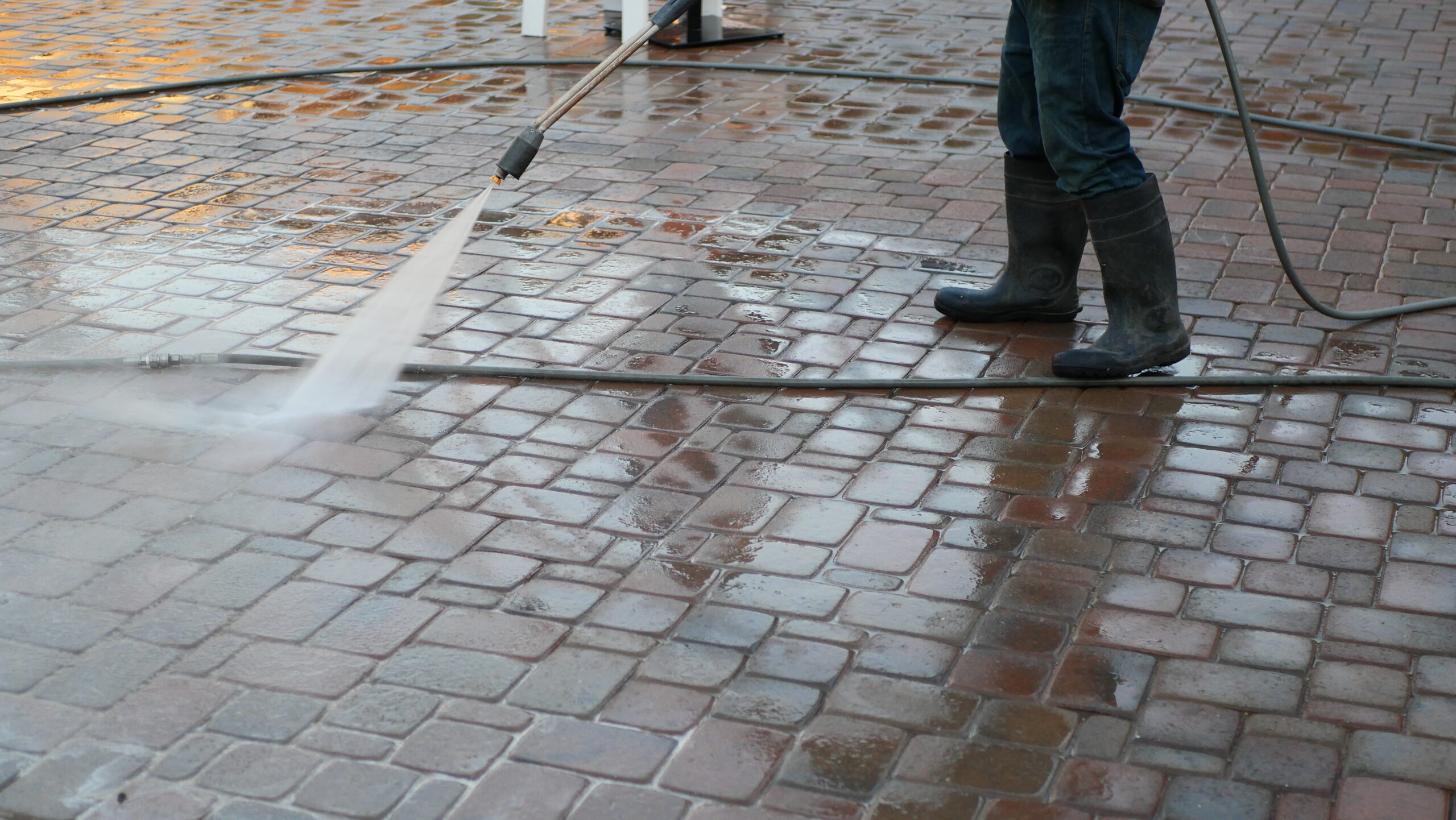
Commercial Pressure Washing in Phoenix: Lots, Sidewalks & Pads (2026)
Commercial Pressure Washing in Phoenix: Parking Lots, Sidewalks, Dumpster Pads, and Drive Thru Lanes
A commercial property tells customers how it is run before anyone reads a sign.
Grease shadows at the entry, black gum spots across the walkway, rust under an
irrigation line, or a trash enclosure you can smell from two spaces away all
register immediately.
The key is matching the cleaning method to the surface. Parking lots, covered
walkways, painted stucco, dumpster pads, and drive thru lanes are different
cleaning problems and should not be treated with one machine or one pressure setting.
By the Miracle Maintenance team, Phoenix, Arizona. Commercial surface restoration,
pressure washing, steam cleaning, and media blasting across the Valley.
Last updated August 2026.
Exterior cleaning advice written for humid climates usually assumes the main
problem is biological growth. Phoenix commercial properties deal with something
different: fine dust, hard-water scale, baked-in grease, monsoon runoff,
rust staining, gum, salts, and heat-driven staining.
This guide explains what each commercial area actually needs, how
pressure washing,
soft washing, hot-water cleaning, and
media blasting
fit together, how often different zones should be serviced, and what a real
commercial scope of work should include.
In This Guide
- Why Phoenix commercial surfaces soil differently
- Parking lots, sidewalks, pads, and drive thru lanes
- Pressure washing vs. soft washing vs. steam
- How to set service frequency by zone
- What a real commercial scope should include
- Runoff and wash-water management
- Damage caused by cheap exterior cleaning
- Where media blasting fits
- Questions to ask before signing a contract
- Frequently asked questions
Why Phoenix Commercial Surfaces Get Dirty Differently
In the Valley, commercial surface loading comes from a different set of sources
than it does in humid climates, and those contaminants behave differently once
they enter concrete, block, stucco, and coated surfaces.
Fine Dust and Haboob Deposition
Fine desert dust works into surface pores and gradually turns light concrete
uniformly gray, even when the property never looks visibly muddy.
Hard Water and Irrigation Overspray
Mineral-rich irrigation water leaves calcium scale and white deposits along
sidewalk edges, stem walls, planters, and building bases.
Extreme Surface Heat
Heat softens gum, drives oil farther into concrete, and bakes sugary drink
spills into the surface instead of leaving a removable film.
Monsoon Runoff
Stormwater pushes silt, organic debris, tannins, and grime into curb lines,
low corners, parking stalls, and drainage paths.
Rust Bleed
Irrigation water, metal furniture, railing bases, and sprinkler components
can leave rust staining that ordinary rinsing will not remove.
Efflorescence
Block walls, stem walls, and trash enclosures can develop mineral blooms as
moisture carries salts through the masonry and evaporates at the surface.
a soda spilled on a 150-degree walkway in July is not just a puddle waiting to
be rinsed. Within a short period, sugar and pigment can bond into the concrete
and become a stain-removal problem rather than a simple wash.
Surface by Surface: What Each Area Actually Needs
The most useful planning step is to stop treating the property as one cleaning
job. Break it into surfaces, then assign the method that fits each substrate and contaminant.
| Area | Typical Problems | Best Starting Method | Important Consideration |
|---|---|---|---|
| Parking Lots | Dust, oil shadows, tire marks, silt, gum, and traffic grime | Controlled pressure washing with surface-cleaner equipment | Oil and older stains often need pretreatment, hot water, or multiple passes. |
| Sidewalks and Entries | Gum, drink spills, food residue, rust, and foot-traffic staining | Hot-water pressure washing with spot treatment | Entry areas should be cleaned evenly so wand striping does not become more visible than the original stain. |
| Dumpster Pads | Grease, leachate, food residue, odor, and biologically active contamination | Degreaser, hot water, agitation, and controlled recovery | Wash water should not simply be pushed toward the nearest storm drain. |
| Drive Thru Lanes | Oil, tire residue, food spills, sugar, and concentrated traffic staining | Hot-water cleaning with degreaser and surface-cleaner equipment | Temperature often does more work than additional pressure. |
| Stucco and Building Elevations | Dust, irrigation staining, spider webs, atmospheric soil, and streaking | Soft washing | High pressure can drive water behind stucco, EIFS, control joints, and window seals. |
| Block Walls and Trash Enclosures | Dust, efflorescence, grease, rust, overspray, and graffiti | Method varies: soft wash, controlled pressure, chemical treatment, or blasting | The correct method depends on whether the contamination is sitting on the surface or bonded into it. |
Pressure Washing, Soft Washing, and Steam: Choosing the Right Tool
These terms are often used interchangeably in sales conversations, but they
describe three different ways of doing the work.
Pressure Washing
Pressure washing relies on mechanical force. Water volume and controlled
pressure lift material from durable horizontal surfaces such as lots,
sidewalks, loading docks, and concrete pads.
A surface cleaner spreads that force across a rotating bar and keeps distance
and dwell consistent, helping produce an even finish across large areas.
Soft Washing
Soft washing relies primarily on cleaning chemistry. The solution breaks
down the contamination, and a low-pressure rinse carries it away.
This is the better fit for painted, coated, sealed, or vertical surfaces
such as stucco, EIFS, awnings, signage, and many building elevations.
Steam and Hot Water
Heat breaks the bond between the surface and grease, wax, gum, sugar, and
other stubborn commercial contaminants.
Hot water can often clean greasy concrete more effectively at lower pressure,
reducing unnecessary wear on the substrate.
hot-water cleaning on the same property in the same service window.
Setting a Service Frequency That Matches the Property
Most properties are either cleaned too rarely, which allows stains to become
more permanent, or placed on a rigid site-wide schedule that ignores where the
actual traffic and contamination are concentrated.
| Zone | Typical Service Cycle | Why |
|---|---|---|
| Retail Entries and High-Traffic Walkways | Monthly to quarterly | Gum, drink spills, grease, and foot traffic accumulate quickly where customers enter. |
| Drive Thru Lanes | Monthly to quarterly | Vehicle traffic, oil, food, and sugary spills create fast buildup. |
| Dumpster Pads and Trash Enclosures | Monthly or bi-monthly | Odor, grease, leachate, and biologically active residue need regular removal. |
| General Sidewalks | Quarterly to semi-annually | Traffic is lower than at entries, but dust, gum, and irrigation staining still accumulate. |
| Parking Lots | Semi-annually to annually | Broad areas usually need less frequent full cleaning, with spot treatment between services. |
| Post-Monsoon Cleanup | Seasonal | Silt, organic debris, runoff stains, and dust collect in low areas and along curbs after storm season. |
early morning and overnight cleaning is not only more convenient for tenants.
In summer, it also gives cleaners and rinse water time to work before extreme
surface heat causes chemistry to flash dry or hard-water rinse spots to form.
What a Real Commercial Scope of Work Includes
The gap between a professional proposal and a one-line quote is where most future
disputes begin. A commercial scope should be specific enough that another qualified
crew could read it and understand exactly what is expected.
- Every surface named individually. The proposal should state which method applies to each area.
- Frequency by zone. High-traffic areas and general lots should not automatically share the same interval.
- Water management. The scope should explain how rinse water is contained, recovered, diverted, or legally discharged.
- Chemistry disclosed. Degreasers, enzyme treatments, acid-based products, and specialty cleaners should be identified by use.
- Scheduling and access requirements. Gate codes, water source, power, coning, tenant access, and service windows should be clear.
- Proof of insurance. Commercial work should include current coverage information and workers compensation details.
- Before-and-after documentation. Useful for property managers, HOA boards, ownership groups, and inspection records.
- Explicit exclusions. Permanent stains, pre-existing spalling, damaged coatings, or other limitations should be identified before work begins.
storm drains in the Valley discharge toward washes rather than treatment plants.
Rinse water carrying degreaser, grease, or heavy sediment needs a real containment
and recovery plan.
The Damage Cheap Exterior Cleaning Leaves Behind
Exterior cleaning is one of the maintenance categories where an improperly scoped
low bid can cost more than doing nothing.
Wand Striping and Etched Concrete
A narrow tip held too close can erode cement paste, expose aggregate, and
leave permanent zebra striping. The rougher surface may also absorb future stains faster.
Water Behind Stucco and EIFS
High pressure at penetrations, joints, and seals can push water into wall
assemblies where it later appears as bubbling, staining, or softened finish material.
Acid Damage on Masonry
Improper dilution, dwell time, or neutralization can burn block, alter color,
open pores, and make mineral staining return worse than before.
Contaminated Runoff
Blasting a greasy dumpster pad and letting the water find the nearest drain
moves the contamination rather than properly removing it.
Cleaning the Wrong Problem
Failed coatings, deep carbon, heavy adhesive, and certain industrial residues
may not be pressure-washing problems at all. Repeated washing can damage the
substrate while accomplishing little.
Where Media Blasting Fits on a Commercial Property
Pressure washing removes material sitting on a surface. Blasting is used when a
coating, residue, carbon layer, or contaminant has become part of the surface and
needs to be removed mechanically.
- Failed or peeling paint on block, brick, metal, or structural steel.
- Adhesive and residue left behind by removed signage, vinyl, or flooring.
- Repeat graffiti on porous masonry where chemical cleaning has already left ghosting.
- Carbon, soot, and smoke damage after a fire.
- Industrial buildup on equipment pads, loading docks, and back-of-house areas.
- Surface preparation before coating, where the profile underneath must be correct for adhesion.
Media selection is the critical variable. Soda, crushed glass, garnet, sand, and
dry ice behave differently, so the correct choice depends on both the contaminant
and what needs to survive underneath.
Questions to Ask Before You Sign a Commercial Contract
- What method will you use on each surface, and why?
- How will rinse water be handled near dumpster pads and storm drains?
- Do you run hot water, and where will it be used?
- What happens if a stain does not release on the first treatment?
- What are your insurance limits, and can you provide a current certificate?
- Who supervises the site, and is the cleaning crew employed or subcontracted?
- Will you clean a test section before finalizing the scope?
- How does the service schedule change in July compared with January?
properties. One who immediately redirects the conversation to price is selling
equipment time.
Frequently Asked Questions
How often should a commercial property be pressure washed in Phoenix?
Frequency should be set by traffic and contamination rather than one calendar
interval for the entire site. High-traffic retail entries and drive thru lanes
commonly need monthly or quarterly attention. Dumpster pads may need monthly
or bi-monthly service. General parking lots and sidewalks often run on a
semi-annual or annual cycle with additional post-monsoon cleaning.
Is pressure washing allowed in Phoenix given water restrictions and runoff rules?
Commercial exterior cleaning is routine, but wash water containing detergent,
grease, or heavy sediment should not simply be sent into a storm drain.
Reclaim mats, berms, vacuum recovery, and approved discharge points are common
tools for managing commercial wash water.
What is the difference between pressure washing and soft washing?
Pressure washing relies on mechanical force from water. Soft washing relies
on chemistry and dwell time followed by a low-pressure rinse. Durable horizontal
concrete commonly tolerates controlled pressure, while painted stucco, EIFS,
signage, awnings, window seals, and many finished surfaces should be treated
more gently.
Can pressure washing damage concrete?
Yes. Excessive pressure, a narrow tip, or holding a wand too close can erode
cement paste and expose aggregate. That can leave permanent striping and a
rougher, more porous surface.
Will pressure washing remove oil stains from a parking lot?
Water alone usually will not remove oil that has soaked into concrete.
Degreaser, dwell time, agitation, hot water, and sometimes repeated treatment
are needed. Older stains may lighten substantially without disappearing completely.
Does the property need to be closed during cleaning?
Usually not. Much of the Valley’s commercial exterior cleaning is scheduled
overnight or before opening. Crews can cone sections, work in sequence, and
clear the site before normal customer traffic begins.
What is different about cleaning a dumpster pad?
A dumpster pad is a contamination problem rather than a simple dirt problem.
Proper service commonly involves degreaser, hot water where appropriate,
agitation, deodorizing or enzyme treatment, and containment of the wash water.
How should I compare commercial pressure-washing bids?
Compare scope rather than the bottom number. A real proposal identifies each
surface, the method used, service frequency, water containment, insurance,
scheduling details, and exclusions. A one-line quote leaves those decisions
undefined.
Get Your Property Back to Original
Commercial exterior cleaning is not just cosmetic. Regular surface maintenance
helps keep grease, gum, mineral staining, graffiti, and back-of-house contamination
from becoming long-term restoration problems.
Miracle Maintenance handles commercial
pressure washing,
soft washing, steam cleaning, graffiti removal,
media blasting,
and surface restoration for retail centers, restaurants, HOAs, industrial sites,
and property management groups throughout Phoenix, Scottsdale, Tempe, Mesa,
Chandler, Gilbert, Glendale, Peoria, and the surrounding Valley.
We walk the property, clean a test section where appropriate, and build the scope
by surface rather than by square-foot guesswork.



No Comments
Sorry, the comment form is closed at this time.