Top
How to Use a Power Washer Safely & Effectively | Miracle Maintenance
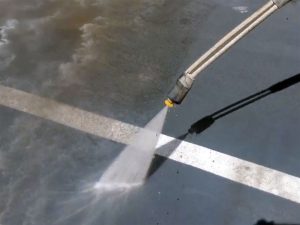
How to use a Power Washer
Using a pressure washing service or your own power washer to clean the siding on your house is one of the most satisfying experiences you can have. Getting to see the immediate results and the stark contrast between the areas you’ve sprayed and the ones you haven’t give a sense of accomplishment as you literally watch your house transform. Pressure washers can be dangerous, however, with their high power beam of water being capable of potentially doing serious damage to fingers and legs. With that in mind let’s take a look at how to safely operate pressure washers to their full potential.
Electric vs. Gas Pressure Washers
When looking for power washers for sale or rent there are a few things to keep in mind. Pressure washers work by using a strong pump that can take the water coming from a garden hose and push it through a spray nozzle at over 1000 pounds per square inch, or PSI. The higher the pressure that a power washer is rated for the deeper it will be able to clean. For most applications around the home pressures between 1300 and 2400psi are typically best. Lower pressures might be insufficient to clean things like old siding while higher pressure sprayers can do damage to what they’re cleaning if the user isn’t careful and can cause serious damage.
There are two types of pressure washers, gas and electric. Electric models typically operate at around 1400psi and require around a gallon and a half of water per minute to operate properly. Electric models are typically lighter and more convenient to use, making them ideal for applications like washing cars or grills.
The more common design of pressure washer is gas powered. These are substantially heavier, louder, and more powerful. Some models can deliver upwards of 3000psi, which as mentioned can actually damage many surfaces if you’re not careful. Gasoline operated power washers can require as much as 3 gallons per minute or more and are ideal for big jobs that require ample power such as decks and siding.
Types of Nozzles
Most pressure washers come with several nozzles that can be attached to the end of the spray wand to change the spray pressure and pattern. The most common assortments of tips change how wide of an angle the fan of water coming out forms. The wider the fan is the more area you’ll be able to cover more quickly, but the water will come out with less pressure.
The widest fan tips are typically intended for more delicate surfaces that need gentler attention or using detergent. Somewhere in the middle is usually best for most applications, with a good balance of a decently wide spray pattern, but still enough pressure to really clean dingy surfaces. The narrowest nozzles should be used with care, as their extremely high pressure can be great for getting a deep clean on a surface but it can also very easily damage things.
How to Start a Pressure Washer
- When starting a pressure washer begin by making sure all of the hoses on the machine are tightened so no water can leak out or air can get in. You also want to ensure that you have either no tip or a very low pressure and wide fan tip on to allow water to move easily through the machine during startup and prevent kickback from the wand when the water starts.
- Turn on the hose or faucet that is supplying the water and squeeze the trigger on the wand to allow water through the system. This purges any air from the system.
- Now you’re finally ready to start the unit. If you have a gas powered model then pull the start cord vigorously to turn the engine and get it going. Give the unit a minute to get up to pressure before starting, but don’t leave the machine running without using it for more than 4 or 5 minutes at a time to avoid damaging the pump.
- Finally, with the trigger locked in the “off” position put on whatever tip you plan on using. You’re now ready to start pressure washing!
How to Use the Pressure Washer
When pressure washing something it’s always best to try and find an inconspicuous spot first on which you can test a patch of whatever you are spraying and make sure that the jet of water won’t have an undesirable or damaging effect. Start with the wand several feet away from whatever you are spraying and move closer slowly until you find the right distance to clean the surface without damaging it.
If you’re spraying siding it’s important to lay down tarps as you spray to catch paint chips that come off. The tarps can also help to protect plants around your home. If your house was built before 1977 any paint chips you collect could very likely contain lead, so they have to be taken to a proper hazardous disposal site.
Hold the wand at a 45-degree angle to the surface you’re cleaning. Holding it directly perpendicular to the surface can actually drive dirt further into the material. Finally, it’s never advised to spray any windows or glass. The high-pressure water stream can very easily break windows.
Pressure Washers and Detergents
Some pressure washers have a reservoir that can be filled with special pressure washer detergents that can be combined with special attachments to help further the cleaning capabilities of your machine. Some models of power washers come with a special brush head that can be used with detergent to help clean cars and siding, while others simply rely on a low-pressure wide fan nozzle.
The best method to use with detergents is to first spray off the surface with plain water, then apply a layer of water with detergent mixed in, and finally spray the surface down one last time with clean water. It’s important, however, never to use bleach or ordinary detergents that aren’t labeled for power washer use as these can damage the machine.
Maintenance
After finishing your work be sure to hold down the trigger on the spray wand and purge as much water as possible from the system before storing it. It’s best to protect power washers from the elements as much as possible. This means if you have a shed or garage it’s much better to keep the machine in there if possible to keep it out of the sun and rain. This will ensure you get many more years out of your sprayer.
Also, when winter comes it’s important to winterize your unit. This can be done by filling the pump and hosing with RV antifreeze. This will prevent water from freezing and thawing repeatedly inside the sprayer which can cause substantial damage to the machine and decrease it’s lifespan significantly.
Safety Warnings
- Never point pressure washers at people or animals, high-pressure water jets can severely injure people
- Wear eye protection when operating a power washer
- Do not use sprayers while on a ladder, the recoil of the jet of water can push you off the ladder or push the ladder down entirely
- Before uncoupling hoses make sure the machine is off and you have held down the trigger on the wand to release any lingering pressure in the system
- Do not spray around power lines and engage the trigger lock when not in use
 Call Now
pressure, spray, how to use a pressure washer, nozzle, mildew, detergent, garden hose, hose, machine, concrete, dirt, stain, patio, driveway, soap, wood, deck, wand, sidewalk, eye protection, angle, debris, square inch, pump, extension cord, mold, roof, brush, valve, ladder, engine, porch, lawn, trigger, stucco, home improvement, power cord, fence, metal, spray nozzle, how do you use a power washer, how does a power washer work, how do i use a power washer, how do i use a pressure washer, how do you use a pressure washer, how does power washer work, pressure washer how does it work, how to use pressure washer, tank, gear, washer, foam, inch, how to use a power washer, lead paint, spray paint, cleaner, lawn mower, soil, vinyl siding, siphon, duct tape, duct, inlet, fiber cement siding
Frequently Asked Questions
What type of nozzle is best for cleaning siding?
The best nozzle for cleaning siding is a 25-degree (green) nozzle. This nozzle strikes a balance between pressure and coverage, effectively removing dirt without damaging the surface.
How do I store a pressure washer during winter?
The proper way to store a pressure washer during winter is to drain all water from the unit, add antifreeze to the pump, and keep it in a dry, sheltered location to prevent freezing and damage.
What is the best way to clean a dirty patio?
The best way to clean a dirty patio is to use a power washer with a suitable nozzle to effectively remove dirt and grime. Start by sweeping the area, then apply a cleaning solution if needed, followed by rinsing with the power washer for optimal results.
Can I use a pressure washer to clean a grill?
Using a pressure washer to clean a grill is not recommended. The high pressure can damage the grill's components and push water into electrical parts, potentially causing malfunctions. It's best to clean your grill with gentle scrubbing and appropriate cleaning solutions.
What is the best way to clean a deck with a pressure washer?
The best way to clean a deck with a pressure washer is to start by sweeping the surface, then use a wide-angle nozzle to apply a cleaning solution, followed by rinsing with a fan spray to remove dirt and grime effectively.
What is the best way to clean a deck with a power washer?
The best way to clean a deck with a power washer is to start by sweeping away debris, then using a wide-angle nozzle to apply a cleaning solution, followed by rinsing with a gentle spray to avoid damage to the wood.
How do I mix detergent with water in a power washer?
Mixing detergent with water in a power washer involves adding the recommended amount of detergent to the detergent tank or a separate mixing container, then filling it with water according to the manufacturer's instructions for optimal cleaning results.
What are the safety precautions when using a pressure washer?
The safety precautions when using a pressure washer include wearing protective gear, ensuring proper footing, keeping a safe distance from surfaces, and never pointing the nozzle at people or pets. Always read the manufacturer's instructions before use.
How do I adjust the pressure on a pressure washer?
Adjusting the pressure on a pressure washer involves modifying the nozzle or using the pressure control feature. To lower the pressure, switch to a wider nozzle or adjust the pressure dial, if available, ensuring optimal cleaning without damaging surfaces.
How do I properly use a power washer for the first time?
Properly using a power washer for the first time involves familiarizing yourself with the machine, selecting the appropriate nozzle, and maintaining a safe distance from surfaces while applying even pressure. Always remember to wear protective gear.
What is the ideal pressure washer PSI for cleaning cars?
The ideal pressure washer PSI for cleaning cars is typically between 1200 and 1900 PSI. This range effectively removes dirt and grime without damaging the vehicle's paint or finish.
Can I use a power washer to remove old paint from wood?
Using a power washer can effectively remove old paint from wood. However, it's crucial to adjust the pressure and use the appropriate nozzle to prevent damage to the wood surface. Always follow safety precautions during the process.
How do I clean a driveway with a pressure washer efficiently?
Cleaning a driveway with a pressure washer efficiently involves clearing debris, selecting the right nozzle, and using a sweeping motion while maintaining a consistent distance from the surface. Start at one end and work your way to the other for optimal results.
What is the recommended pressure setting for cleaning concrete?
The recommended pressure setting for cleaning concrete is typically between 2,500 to 3,000 PSI. This range effectively removes dirt, grime, and stains without damaging the surface. Always adjust based on the specific cleaning task and surface condition.
Can I use a pressure washer to clean a deck?
You can use a pressure washer to clean a deck. However, it's essential to adjust the pressure settings and use the appropriate nozzle to avoid damaging the wood. Always follow safety precautions for effective cleaning.
How do I avoid damaging windows with a power washer?
To avoid damaging windows with a power washer, maintain a distance of at least 3 feet, use a low-pressure nozzle, and apply cleaner from the bottom up to prevent water from seeping under the frames.
How do I use a pressure washer to remove graffiti?
Using a pressure washer to remove graffiti involves adjusting the pressure setting, selecting the appropriate nozzle, and applying a graffiti remover if necessary. Start from a distance, gradually moving closer while keeping the nozzle at an angle to effectively lift the paint without damaging the surface.
How do I attach a hose to a pressure washer?
Attaching a hose to a pressure washer involves connecting the garden hose to the water inlet. First, ensure the pressure washer is off, then twist the hose connector onto the inlet until secure, ensuring a tight fit to prevent leaks.
How do I assemble a pressure washer correctly?
Assembling a pressure washer correctly involves connecting the handle, attaching the high-pressure hose to the pump, securing the spray wand, and ensuring all connections are tight. Always refer to the manufacturer's manual for specific instructions.
How do I prevent soap from getting stuck in the wand?
To prevent soap from getting stuck in the wand, regularly flush the wand with clean water after using soap. Additionally, ensure the soap is properly diluted and avoid using overly thick solutions that can clog the nozzle.
How do I choose the right pressure washer for my needs?
Choosing the right pressure washer for your needs involves considering the cleaning tasks you’ll perform, the surface types, and the necessary pressure and flow rate. Evaluate electric models for light jobs and gas models for heavy-duty tasks.
Can I use a pressure washer to clean windows?
Using a pressure washer to clean windows can be effective, but it requires caution. Ensure you use a low-pressure setting and a suitable nozzle to avoid damaging the glass or seals.
What is the best way to clean a driveway with a power washer?
The best way to clean a driveway with a power washer is to start by clearing debris, then use a suitable nozzle and a cleaning solution. Maintain a consistent distance and angle while washing to ensure even cleaning and avoid damage.
Can I use a power washer to clean my cars paint job?
Using a power washer to clean your car's paint job is not recommended. The high pressure can damage the paint and clear coat, leading to scratches and other surface issues. Instead, opt for a gentle hand wash.
What nozzle tips are best for cleaning tight spaces?
The best nozzle tips for cleaning tight spaces are typically the 0-degree and 15-degree tips. These narrow spray patterns provide concentrated pressure, allowing you to effectively reach and clean confined areas without damaging surrounding surfaces.
What is the recommended pressure washer psi for cars?
The recommended pressure washer PSI for cars is typically between 1,500 to 2,500 PSI. This range effectively removes dirt and grime without damaging the vehicle's paint or finish. Always use a suitable nozzle and maintain a safe distance while washing.
What are the different types of pressure washers available?
The different types of pressure washers available include electric, gas, and diesel models. Electric washers are ideal for light-duty tasks, while gas and diesel options are suited for heavier cleaning jobs due to their higher pressure and mobility.
How do I adjust the pressure washer nozzle correctly?
Adjusting the pressure washer nozzle correctly involves selecting the appropriate nozzle type for your task and securely attaching it to the wand. Rotate or slide the nozzle to change the spray pattern, ensuring a firm fit for optimal performance.
What is the best way to clean concrete with a pressure washer?
The best way to clean concrete with a pressure washer is to use a 25-degree nozzle, maintain a consistent distance of 12-18 inches from the surface, and apply a suitable cleaning solution beforehand for optimal results.
What nozzle is ideal for patio cleaning?
The ideal nozzle for patio cleaning is a 25-degree nozzle. This nozzle provides a balanced spray pattern that effectively removes dirt and grime without damaging the surface, making it perfect for patios.
how to use pressure washer, how to use a pressure washer, how to use a power washer
pressure, spray, how to use a pressure washer, nozzle, mildew, detergent, garden hose, hose, machine, concrete, dirt, stain, patio, driveway, soap, wood, deck, wand, sidewalk, eye protection, angle, debris, square inch, pump, extension cord, mold, roof, brush, valve, ladder, engine, porch, lawn, trigger, stucco, home improvement, power cord, fence, metal, spray nozzle, how do you use a power washer, how does a power washer work, how do i use a power washer, how do i use a pressure washer, how do you use a pressure washer, how does power washer work, pressure washer how does it work, how to use pressure washer, tank, gear, washer, foam, inch, how to use a power washer, lead paint, spray paint, cleaner, lawn mower, soil, vinyl siding, siphon, duct tape, duct, inlet, fiber cement siding
Frequently Asked Questions
What type of nozzle is best for cleaning siding?
The best nozzle for cleaning siding is a 25-degree (green) nozzle. This nozzle strikes a balance between pressure and coverage, effectively removing dirt without damaging the surface.
How do I store a pressure washer during winter?
The proper way to store a pressure washer during winter is to drain all water from the unit, add antifreeze to the pump, and keep it in a dry, sheltered location to prevent freezing and damage.
What is the best way to clean a dirty patio?
The best way to clean a dirty patio is to use a power washer with a suitable nozzle to effectively remove dirt and grime. Start by sweeping the area, then apply a cleaning solution if needed, followed by rinsing with the power washer for optimal results.
Can I use a pressure washer to clean a grill?
Using a pressure washer to clean a grill is not recommended. The high pressure can damage the grill's components and push water into electrical parts, potentially causing malfunctions. It's best to clean your grill with gentle scrubbing and appropriate cleaning solutions.
What is the best way to clean a deck with a pressure washer?
The best way to clean a deck with a pressure washer is to start by sweeping the surface, then use a wide-angle nozzle to apply a cleaning solution, followed by rinsing with a fan spray to remove dirt and grime effectively.
What is the best way to clean a deck with a power washer?
The best way to clean a deck with a power washer is to start by sweeping away debris, then using a wide-angle nozzle to apply a cleaning solution, followed by rinsing with a gentle spray to avoid damage to the wood.
How do I mix detergent with water in a power washer?
Mixing detergent with water in a power washer involves adding the recommended amount of detergent to the detergent tank or a separate mixing container, then filling it with water according to the manufacturer's instructions for optimal cleaning results.
What are the safety precautions when using a pressure washer?
The safety precautions when using a pressure washer include wearing protective gear, ensuring proper footing, keeping a safe distance from surfaces, and never pointing the nozzle at people or pets. Always read the manufacturer's instructions before use.
How do I adjust the pressure on a pressure washer?
Adjusting the pressure on a pressure washer involves modifying the nozzle or using the pressure control feature. To lower the pressure, switch to a wider nozzle or adjust the pressure dial, if available, ensuring optimal cleaning without damaging surfaces.
How do I properly use a power washer for the first time?
Properly using a power washer for the first time involves familiarizing yourself with the machine, selecting the appropriate nozzle, and maintaining a safe distance from surfaces while applying even pressure. Always remember to wear protective gear.
What is the ideal pressure washer PSI for cleaning cars?
The ideal pressure washer PSI for cleaning cars is typically between 1200 and 1900 PSI. This range effectively removes dirt and grime without damaging the vehicle's paint or finish.
Can I use a power washer to remove old paint from wood?
Using a power washer can effectively remove old paint from wood. However, it's crucial to adjust the pressure and use the appropriate nozzle to prevent damage to the wood surface. Always follow safety precautions during the process.
How do I clean a driveway with a pressure washer efficiently?
Cleaning a driveway with a pressure washer efficiently involves clearing debris, selecting the right nozzle, and using a sweeping motion while maintaining a consistent distance from the surface. Start at one end and work your way to the other for optimal results.
What is the recommended pressure setting for cleaning concrete?
The recommended pressure setting for cleaning concrete is typically between 2,500 to 3,000 PSI. This range effectively removes dirt, grime, and stains without damaging the surface. Always adjust based on the specific cleaning task and surface condition.
Can I use a pressure washer to clean a deck?
You can use a pressure washer to clean a deck. However, it's essential to adjust the pressure settings and use the appropriate nozzle to avoid damaging the wood. Always follow safety precautions for effective cleaning.
How do I avoid damaging windows with a power washer?
To avoid damaging windows with a power washer, maintain a distance of at least 3 feet, use a low-pressure nozzle, and apply cleaner from the bottom up to prevent water from seeping under the frames.
How do I use a pressure washer to remove graffiti?
Using a pressure washer to remove graffiti involves adjusting the pressure setting, selecting the appropriate nozzle, and applying a graffiti remover if necessary. Start from a distance, gradually moving closer while keeping the nozzle at an angle to effectively lift the paint without damaging the surface.
How do I attach a hose to a pressure washer?
Attaching a hose to a pressure washer involves connecting the garden hose to the water inlet. First, ensure the pressure washer is off, then twist the hose connector onto the inlet until secure, ensuring a tight fit to prevent leaks.
How do I assemble a pressure washer correctly?
Assembling a pressure washer correctly involves connecting the handle, attaching the high-pressure hose to the pump, securing the spray wand, and ensuring all connections are tight. Always refer to the manufacturer's manual for specific instructions.
How do I prevent soap from getting stuck in the wand?
To prevent soap from getting stuck in the wand, regularly flush the wand with clean water after using soap. Additionally, ensure the soap is properly diluted and avoid using overly thick solutions that can clog the nozzle.
How do I choose the right pressure washer for my needs?
Choosing the right pressure washer for your needs involves considering the cleaning tasks you’ll perform, the surface types, and the necessary pressure and flow rate. Evaluate electric models for light jobs and gas models for heavy-duty tasks.
Can I use a pressure washer to clean windows?
Using a pressure washer to clean windows can be effective, but it requires caution. Ensure you use a low-pressure setting and a suitable nozzle to avoid damaging the glass or seals.
What is the best way to clean a driveway with a power washer?
The best way to clean a driveway with a power washer is to start by clearing debris, then use a suitable nozzle and a cleaning solution. Maintain a consistent distance and angle while washing to ensure even cleaning and avoid damage.
Can I use a power washer to clean my cars paint job?
Using a power washer to clean your car's paint job is not recommended. The high pressure can damage the paint and clear coat, leading to scratches and other surface issues. Instead, opt for a gentle hand wash.
What nozzle tips are best for cleaning tight spaces?
The best nozzle tips for cleaning tight spaces are typically the 0-degree and 15-degree tips. These narrow spray patterns provide concentrated pressure, allowing you to effectively reach and clean confined areas without damaging surrounding surfaces.
What is the recommended pressure washer psi for cars?
The recommended pressure washer PSI for cars is typically between 1,500 to 2,500 PSI. This range effectively removes dirt and grime without damaging the vehicle's paint or finish. Always use a suitable nozzle and maintain a safe distance while washing.
What are the different types of pressure washers available?
The different types of pressure washers available include electric, gas, and diesel models. Electric washers are ideal for light-duty tasks, while gas and diesel options are suited for heavier cleaning jobs due to their higher pressure and mobility.
How do I adjust the pressure washer nozzle correctly?
Adjusting the pressure washer nozzle correctly involves selecting the appropriate nozzle type for your task and securely attaching it to the wand. Rotate or slide the nozzle to change the spray pattern, ensuring a firm fit for optimal performance.
What is the best way to clean concrete with a pressure washer?
The best way to clean concrete with a pressure washer is to use a 25-degree nozzle, maintain a consistent distance of 12-18 inches from the surface, and apply a suitable cleaning solution beforehand for optimal results.
What nozzle is ideal for patio cleaning?
The ideal nozzle for patio cleaning is a 25-degree nozzle. This nozzle provides a balanced spray pattern that effectively removes dirt and grime without damaging the surface, making it perfect for patios.
how to use pressure washer, how to use a pressure washer, how to use a power washer






No Comments
Sorry, the comment form is closed at this time.