


The Basics of How a Pressure Washer Works
A pressure washer is an incredibly useful tool. Because this tool works by spraying water in a controlled, pressurized stream, I am easily able to remove the sort of caked-on grime that can develop on surfaces like brick and paneling. However, this usefulness comes at a cost when this tool is used by the inexperienced; unfamiliarity with a pressure washer can damage the surfaces you are trying to clean, if not your own body.
What is a Power Washer?
A pressure washer consists of two main components:
- A specialized pump that boosts the pressure level of a water hose. Depending on the particular model, these pumps are either gas-powered or electric.
- A variety of different spray wands intended for different types of cleaning jobs.
 Before you start running your pressure washer service, it is important that you read through the entire manual; the text may contain model-specific safety precautions that can help you avoid hurting the pressure washer, the surfaces you are cleaning with the washer or even your body.
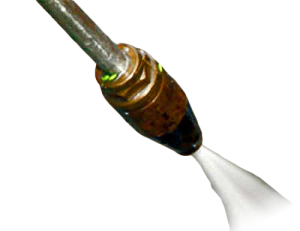
This power washer comes with five unique varieties of spray wand tips.
- A red tip that expels water at a 0 degree angle. This tool produces a focused line of pressured water and its direct approach means that it requires the greatest amount of cautionary use.
- A yellow tip that expels water in a 15-degree spray pattern. This tip is recommended for heavy duty cleaning tasks.
- A green tip that expels in a 25-degree spray pattern. This is a good choice for normal pressure wash jobs.
- A white tip that expels in a 40-degree spray. This wand is recommended when you need to wash white surfaces.
- A black tip that expels in a 65-degree spray. Because it sprays such a wide area, it is great for beginners due to its relative safety when compared to the other tips. This is also useful for applying specialized detergent to be used in a pressure washing job.
Just because you know how to use a pressure washer, you should not do so unprotected. Always use protective gear for your eyes, ears and hands.




No Comments
Sorry, the comment form is closed at this time.