Top
How to Remove Efflorescence & Calcium from Brick Surfaces in Arizona
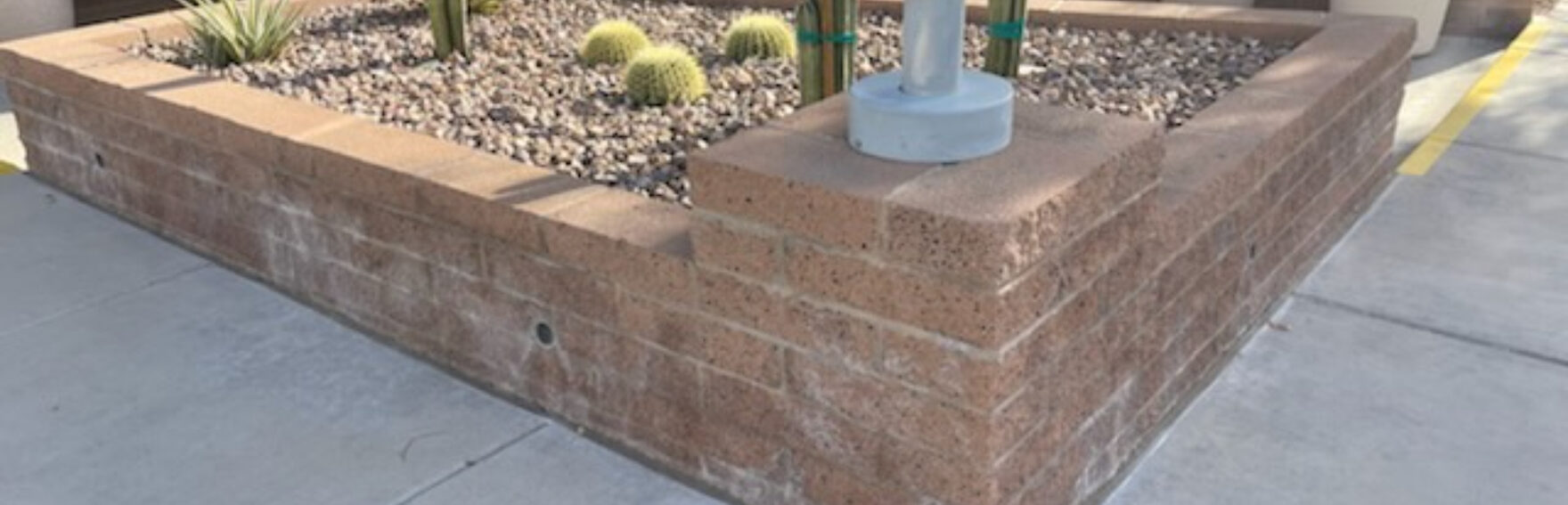
Remove calcium or effervescence from brick
As moister seeps through a brick or block surface, it will eventually dry out and leave behind a white chalky residue. We refer to this as a calcium or effervescence deposit. The same situations will occur in a pool and will leave a white ring around your pool water line, especially when the water level drops in the pool or the Ph is off balance.
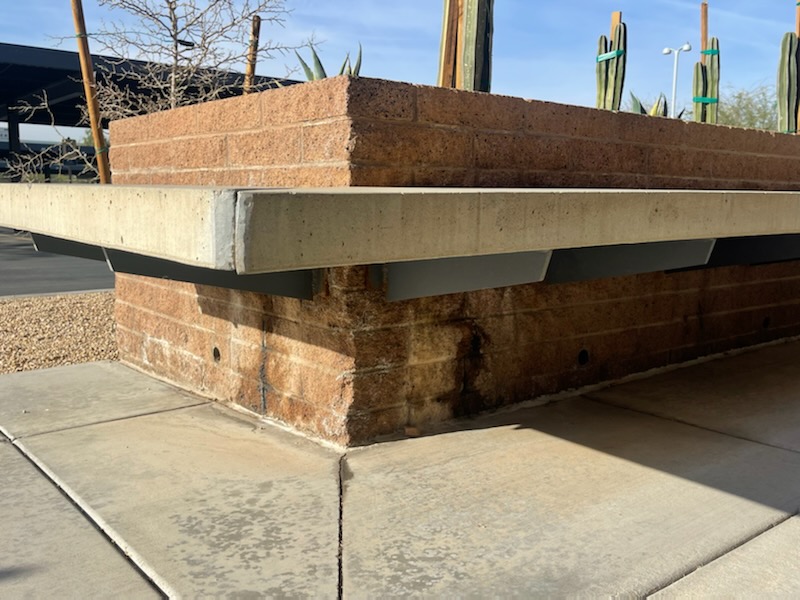
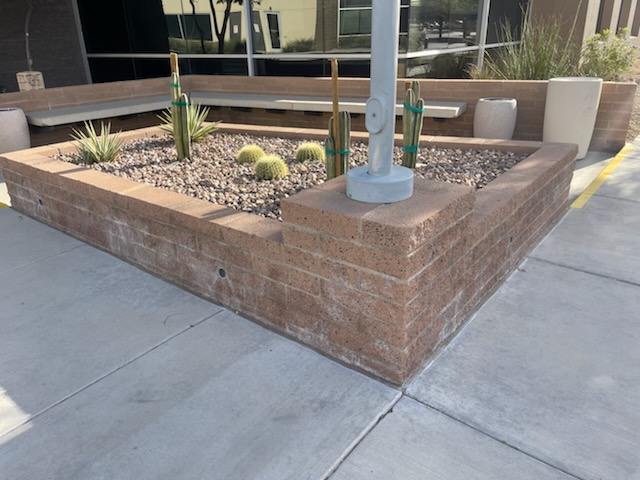 Many people will attempt to pressure wash off the calcium build-up, but the reality is that will only make the situation worse. You are just adding more water to the problem that will eventually dry out and leave more calcium deposits in the area.
Remove Calcium Deposits Effectively
The only way to remove a pool ring or calcium build-up is to media blast off the calcium with the appropriate media. Typically, we will use glass media at low pressure to remove the buildup. When blasting off a ring in a pool, we will use a specially designed media that is hard enough to remove the ring, but not so aggressive that it will scratch your tile.
Hiring a professional is key to achieving successful results on your project. Hiring an inexperienced person could result in the person using aggressive media that will permanently damage the surface. As we like to say…”Once we take it off, we can’t put it back on.”
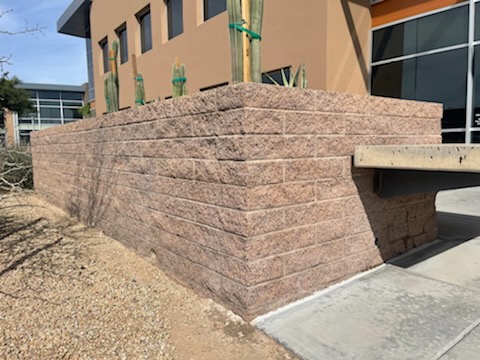
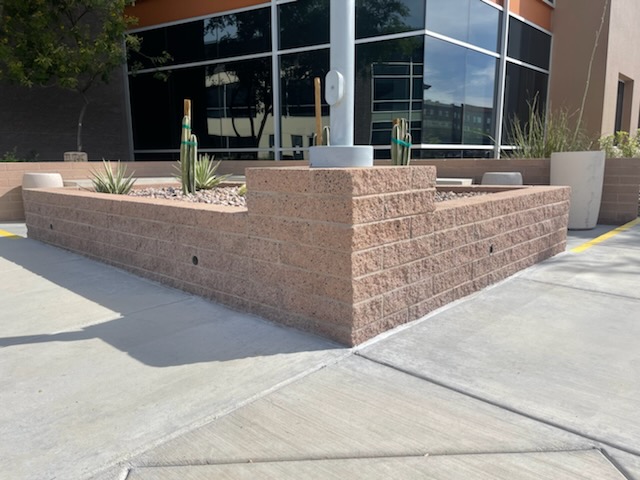 Miracle Maintenance has been media blasting many types of projects in Arizona for the past 20 years. Please contact us directly for your next project and receive a free estimate. We can be reached at miraclemainteance.com or call Brent at 602-689-9049.
 Call Now
calcium, efflorescence, stain, acid, brush, hydrochloric acid, mineral, lime, mortar, concrete, vinegar, building material, calcite, substrate, sprayer, grout, restoration, sealant, carbon, moisture, roof, porosity, clay, cleaner, mixture, calcium carbonate, limestone, crystal, marble, debris, environmentally friendly, action junk hauling, construction waste, demolition, mortar joint, patio, landfill, fireplace, brick removal, debris junk removal, repair, concrete removal services, concrete removal, junk removal, rubbish junk removal, brick removal services, masonry services, junk, brick restoration, brick disposal, cement
Frequently Asked Questions
How to remove calcium deposits from brick chimneys effectively?
Removing calcium deposits from brick chimneys effectively involves using a mixture of vinegar and water or a specialized descaling solution. Apply the solution, scrub gently with a brush, and rinse thoroughly to prevent damage to the bricks. For best results, consider professional cleaning services.
Can I use a pressure washer to remove calcium from brick?
Using a pressure washer can be effective for removing calcium from brick surfaces. However, caution is essential, as high pressure may damage the brick or mortar. It's advisable to consult professionals for safe and thorough cleaning.
Can I use a wire brush to remove calcium from brick surfaces?
Using a wire brush to remove calcium from brick surfaces is not recommended, as it can damage the brick and lead to further deterioration. It's best to seek professional cleaning services for effective and safe removal.
What products can dissolve calcium on brick surfaces effectively?
Effective products for dissolving calcium on brick surfaces include vinegar, citric acid, and specialized descaling solutions. These options can break down deposits, but professional cleaning services are recommended to prevent potential damage to the brick.
Is it possible to remove calcium stains from old brick?
Removing calcium stains from old brick is indeed possible. Professional cleaning services can effectively eliminate these stains without damaging the underlying surface, ensuring your brick looks its best.
What is the easiest way to remove calcium from brick walls?
The easiest way to remove calcium from brick walls is to use a mixture of white vinegar and water, applying it with a brush or spray bottle. For best results, consider hiring a professional cleaning service to prevent damage.
How to remove calcium buildup from brick fireplaces safely?
Removing calcium buildup from brick fireplaces safely involves using a mixture of vinegar and water or a specialized calcium remover. Apply the solution gently with a soft brush, avoiding harsh chemicals that can damage the bricks.
Can I use vinegar to remove calcium from brick walls?
Vinegar can be used to remove calcium deposits from brick walls, as its acidity helps dissolve mineral buildup. However, caution is advised, as prolonged exposure may damage the brick surface. Professional cleaning services are recommended for optimal results.
What is the safest way to remove calcium from brick facades?
The safest way to remove calcium from brick facades is to use a gentle acid solution, like vinegar or a commercial descaler, applied carefully with a soft brush. For optimal results and to prevent damage, consider hiring a professional cleaning service.
How to remove calcium buildup from brick walls outdoors?
Removing calcium buildup from outdoor brick walls involves using a mixture of vinegar and water or a specialized calcium remover. Apply the solution, scrub gently, and rinse thoroughly to prevent damage to the bricks. For best results, consider professional cleaning services.
What is the best method to remove calcium deposits from brick?
The best method to remove calcium deposits from brick is to use a professional cleaning service that employs specialized techniques and solutions. This approach ensures effective removal without damaging the brick surface.
Can I use baking soda to remove calcium stains from brick?
Baking soda can be used to help remove calcium stains from brick surfaces. However, for effective and safe results, it's advisable to consult a professional cleaning service to prevent potential damage to the brick.
What are effective methods for calcium removal?
Effective methods for calcium removal include using a mixture of vinegar and water, commercial descalers, or pressure washing. For best results and to prevent surface damage, consider hiring professional cleaning services like Miracle Maintenance.
How often should I clean brick surfaces?
Cleaning brick surfaces should be done at least once a year to prevent the buildup of dirt and calcium deposits. However, high-traffic areas or those exposed to harsh weather may require more frequent cleaning to maintain their appearance and integrity.
What safety precautions should I take during removal?
The safety precautions to take during removal include wearing protective gear such as gloves and goggles, ensuring proper ventilation, and following manufacturer instructions for cleaning agents to prevent accidents and injuries.
Can professional services guarantee calcium removal success?
Professional services can significantly increase the likelihood of successful calcium removal. While complete guarantees may be challenging due to varying surface conditions, experienced technicians utilize specialized techniques and equipment to effectively tackle calcium deposits.
What are signs of calcium buildup on brick?
The signs of calcium buildup on brick include white, chalky stains on the surface, efflorescence, and a rough texture. These indicators suggest that moisture is bringing minerals to the surface, leading to potential damage if not addressed.
How does weather affect calcium deposits on brick?
Weather significantly impacts calcium deposits on brick. Rain and humidity can exacerbate the formation of these deposits, while freeze-thaw cycles may cause existing deposits to expand and crack the brick, leading to further damage.
Are there any long-term solutions for calcium prevention?
Long-term solutions for calcium prevention include regular maintenance, using water softeners, applying sealants to surfaces, and ensuring proper drainage to minimize water exposure. These methods help reduce the buildup of calcium deposits over time.
What is the impact of calcium on brick integrity?
The impact of calcium on brick integrity is significant; calcium deposits can weaken the brick structure, leading to efflorescence, surface damage, and reduced durability over time. Regular maintenance is essential to preserve brick integrity.
seattle brick removal, calcium on brick, how to remove calcium from brick, remove calcium from brick, effervescence on brick, how to remove calcium deposits from concrete, how to remove heavy calcium deposits from brick, evervesense
calcium, efflorescence, stain, acid, brush, hydrochloric acid, mineral, lime, mortar, concrete, vinegar, building material, calcite, substrate, sprayer, grout, restoration, sealant, carbon, moisture, roof, porosity, clay, cleaner, mixture, calcium carbonate, limestone, crystal, marble, debris, environmentally friendly, action junk hauling, construction waste, demolition, mortar joint, patio, landfill, fireplace, brick removal, debris junk removal, repair, concrete removal services, concrete removal, junk removal, rubbish junk removal, brick removal services, masonry services, junk, brick restoration, brick disposal, cement
Frequently Asked Questions
How to remove calcium deposits from brick chimneys effectively?
Removing calcium deposits from brick chimneys effectively involves using a mixture of vinegar and water or a specialized descaling solution. Apply the solution, scrub gently with a brush, and rinse thoroughly to prevent damage to the bricks. For best results, consider professional cleaning services.
Can I use a pressure washer to remove calcium from brick?
Using a pressure washer can be effective for removing calcium from brick surfaces. However, caution is essential, as high pressure may damage the brick or mortar. It's advisable to consult professionals for safe and thorough cleaning.
Can I use a wire brush to remove calcium from brick surfaces?
Using a wire brush to remove calcium from brick surfaces is not recommended, as it can damage the brick and lead to further deterioration. It's best to seek professional cleaning services for effective and safe removal.
What products can dissolve calcium on brick surfaces effectively?
Effective products for dissolving calcium on brick surfaces include vinegar, citric acid, and specialized descaling solutions. These options can break down deposits, but professional cleaning services are recommended to prevent potential damage to the brick.
Is it possible to remove calcium stains from old brick?
Removing calcium stains from old brick is indeed possible. Professional cleaning services can effectively eliminate these stains without damaging the underlying surface, ensuring your brick looks its best.
What is the easiest way to remove calcium from brick walls?
The easiest way to remove calcium from brick walls is to use a mixture of white vinegar and water, applying it with a brush or spray bottle. For best results, consider hiring a professional cleaning service to prevent damage.
How to remove calcium buildup from brick fireplaces safely?
Removing calcium buildup from brick fireplaces safely involves using a mixture of vinegar and water or a specialized calcium remover. Apply the solution gently with a soft brush, avoiding harsh chemicals that can damage the bricks.
Can I use vinegar to remove calcium from brick walls?
Vinegar can be used to remove calcium deposits from brick walls, as its acidity helps dissolve mineral buildup. However, caution is advised, as prolonged exposure may damage the brick surface. Professional cleaning services are recommended for optimal results.
What is the safest way to remove calcium from brick facades?
The safest way to remove calcium from brick facades is to use a gentle acid solution, like vinegar or a commercial descaler, applied carefully with a soft brush. For optimal results and to prevent damage, consider hiring a professional cleaning service.
How to remove calcium buildup from brick walls outdoors?
Removing calcium buildup from outdoor brick walls involves using a mixture of vinegar and water or a specialized calcium remover. Apply the solution, scrub gently, and rinse thoroughly to prevent damage to the bricks. For best results, consider professional cleaning services.
What is the best method to remove calcium deposits from brick?
The best method to remove calcium deposits from brick is to use a professional cleaning service that employs specialized techniques and solutions. This approach ensures effective removal without damaging the brick surface.
Can I use baking soda to remove calcium stains from brick?
Baking soda can be used to help remove calcium stains from brick surfaces. However, for effective and safe results, it's advisable to consult a professional cleaning service to prevent potential damage to the brick.
What are effective methods for calcium removal?
Effective methods for calcium removal include using a mixture of vinegar and water, commercial descalers, or pressure washing. For best results and to prevent surface damage, consider hiring professional cleaning services like Miracle Maintenance.
How often should I clean brick surfaces?
Cleaning brick surfaces should be done at least once a year to prevent the buildup of dirt and calcium deposits. However, high-traffic areas or those exposed to harsh weather may require more frequent cleaning to maintain their appearance and integrity.
What safety precautions should I take during removal?
The safety precautions to take during removal include wearing protective gear such as gloves and goggles, ensuring proper ventilation, and following manufacturer instructions for cleaning agents to prevent accidents and injuries.
Can professional services guarantee calcium removal success?
Professional services can significantly increase the likelihood of successful calcium removal. While complete guarantees may be challenging due to varying surface conditions, experienced technicians utilize specialized techniques and equipment to effectively tackle calcium deposits.
What are signs of calcium buildup on brick?
The signs of calcium buildup on brick include white, chalky stains on the surface, efflorescence, and a rough texture. These indicators suggest that moisture is bringing minerals to the surface, leading to potential damage if not addressed.
How does weather affect calcium deposits on brick?
Weather significantly impacts calcium deposits on brick. Rain and humidity can exacerbate the formation of these deposits, while freeze-thaw cycles may cause existing deposits to expand and crack the brick, leading to further damage.
Are there any long-term solutions for calcium prevention?
Long-term solutions for calcium prevention include regular maintenance, using water softeners, applying sealants to surfaces, and ensuring proper drainage to minimize water exposure. These methods help reduce the buildup of calcium deposits over time.
What is the impact of calcium on brick integrity?
The impact of calcium on brick integrity is significant; calcium deposits can weaken the brick structure, leading to efflorescence, surface damage, and reduced durability over time. Regular maintenance is essential to preserve brick integrity.
seattle brick removal, calcium on brick, how to remove calcium from brick, remove calcium from brick, effervescence on brick, how to remove calcium deposits from concrete, how to remove heavy calcium deposits from brick, evervesense







No Comments
Sorry, the comment form is closed at this time.